Why "How Long Will It Take?" Doesn't Have One Answer
Anyone who has been in a collision wants a firm number. The honest answer is that recovery time depends on several overlapping factors, and two people in the same accident can heal at very different rates.
- The type and severity of the injury (a mild strain heals faster than a disc or joint injury)
- Age and general health going into the accident
- Pre-existing back or neck issues that the crash aggravated
- How quickly evaluation and care began after the accident
- How consistently a person follows through with recommended care
- The forces involved in the crash, including speed and point of impact
Because of this variation, the timelines below are general guidelines, not guarantees. They are meant to help you understand what a typical recovery process looks like so you know what questions to ask and when something may need attention.
The Three General Phases of Car Accident Recovery
Phase 1: The Acute or Inflammatory Phase (First Few Days to About 2 Weeks)
Immediately after a crash, the body responds to injured tissue with inflammation. This is a normal, protective process, but it is also why stiffness, swelling, and pain often intensify over the first 24 to 72 hours rather than easing up right away. During this phase, the priorities are usually reducing inflammation, protecting the injured area, and getting an accurate picture of what was hurt. This is the phase where an initial evaluation matters most, since it establishes a baseline for everything that follows.
Phase 2: The Active Recovery Phase (Roughly 2 to 6 Weeks)
Once acute inflammation settles, the body shifts into repairing damaged tissue. This is typically when structured care becomes more active, focusing on restoring motion and function in the neck, back, or affected joints. Many people notice steady, if uneven, improvement during this window. Mild strains and sprains often resolve close to the end of this phase, while more significant injuries continue improving but are not yet fully healed.
Phase 3: The Longer-Term Recovery Phase (6 Weeks to Several Months, Sometimes Longer)
Tissue continues to remodel and strengthen well beyond the point where pain has become manageable. For moderate soft tissue injuries, this phase often extends to the three to six month mark. More significant injuries, or cases where care was delayed, can take longer. This is also the phase where consistency matters most, since underlying issues that seem to have "settled down" can resurface if the area was never fully restored.
Common Car Accident Injuries and Typical Healing Windows
Some injuries follow fairly recognizable patterns, even though every case is different.
- Whiplash and neck strain often improve significantly within four to eight weeks, though stiffness can linger longer if the joints and surrounding muscles were not addressed early.
- Back pain from a collision is extremely common and can range from a short-lived strain to a longer-term issue involving the discs or joints of the spine.
- Headaches connected to the neck (often called cervicogenic headaches) can follow a similar timeline to whiplash, since they frequently share the same underlying cause.
- Joint and connective tissue injuries, such as those affecting the shoulder or hip from bracing or seatbelt force, tend to take longer than pure muscle strains.
Why Symptoms Often Show Up Days After the Accident
One of the more confusing parts of car accident recovery is that people frequently feel "okay" at the scene and then wake up sore, stiff, or in real pain a day or two later. There are a few reasons for this.
- Adrenaline and stress hormones released during a crash can mask pain signals in the first few hours.
- Inflammation is a process, not an instant event, and it typically builds over the first 24 to 72 hours.
- Soft tissue injuries, unlike a visible cut or broken bone, don't always announce themselves right away.
Common delayed-onset symptoms include neck and shoulder stiffness, headaches, lower back pain, tingling or numbness in the arms or legs, and fatigue that doesn't match the effort of the day. None of these should be dismissed simply because they didn't show up immediately.
Why an Early Evaluation Matters
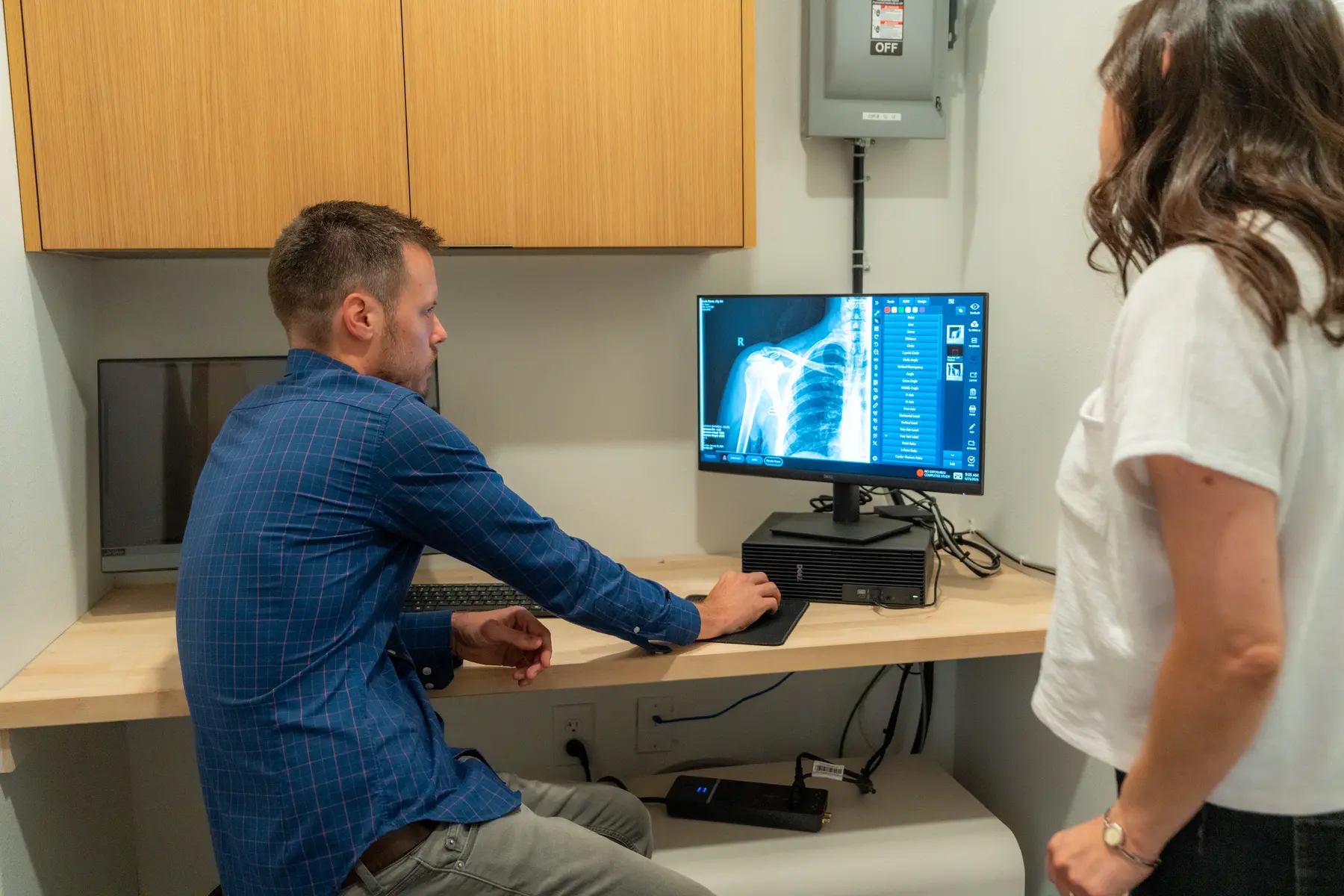
Waiting to see how things feel over the following days is one of the most common reasons a minor injury turns into a lingering one. An evaluation soon after a crash does two important things: it identifies what was actually injured before compensation patterns and secondary tension set in, and it creates a documented record of your condition close to the time of the accident, which matters if you later need that information for a personal injury claim. We are not able to offer legal guidance, but documentation of your condition and care is generally a meaningful part of that process.
Spinal misalignment and joint restriction from a collision don't always cause pain right away, but they can affect movement and place ongoing stress on the surrounding muscles. This is one reason a chiropractic adjustment is often part of a car accident recovery plan, since restoring proper motion to the spine and joints supports the body's own healing process during each of the phases described above.
What Ongoing Care Can Look Like
Depending on what an evaluation finds, a recovery plan may include manual adjustment, cervical traction for neck injuries, or the use of a wobble chair or decompression table to support the spine as it heals. Since back pain is one of the most common outcomes of a collision, it's also worth understanding how different approaches compare; our related article on chiropractic care versus physical therapy for back pain breaks down how each approach fits into a recovery plan. You can also review our auto accident injury care page and our personal injury FAQs for more detail on what to expect.
The Bottom Line on Recovery Timelines
Most people see meaningful improvement within weeks, but full healing, especially of the joints and connective tissue in the neck and back, often takes several months. Recovery is rarely a straight line, and setbacks along the way are common rather than a sign that something is wrong. If you were recently in a collision and haven't yet been evaluated, or your symptoms have changed since the accident, reach out through our contact page to schedule an evaluation with Dr. Michael Moss, DC.
FAQ Common questions
Frequently Asked Questions
It depends heavily on the type and severity of the injury. Mild strains and sprains often improve within four to eight weeks, while moderate soft tissue injuries can take three to six months to fully heal. More significant injuries, or cases where care started late, may take longer. These ranges are general guidelines rather than guarantees, since every collision and every body responds differently.
This is one of the most common experiences after a car accident. Adrenaline released during a stressful event can temporarily mask pain, and inflammation from soft tissue injury typically builds over the first 24 to 72 hours rather than appearing instantly. That delay is a normal physiological process, not a sign that nothing was actually injured.
Whiplash symptoms often improve noticeably within four to eight weeks with appropriate care. Some stiffness or reduced range of motion can persist longer, particularly if the neck and upper back joints weren't evaluated and addressed early in the process.
Recovery can be slowed by delayed evaluation, pre-existing neck or back issues, inconsistent follow-through with a care plan, and the overall severity of the forces involved in the crash. Age and general health at the time of the accident also play a role in how quickly tissue repairs itself.
It can be, particularly with moderate to more significant soft tissue or joint injuries, which often take three to six months to fully resolve. That said, ongoing pain that isn't gradually improving is worth having reevaluated, since it may indicate the injury needs a different or more focused approach.
As soon as reasonably possible, even if you feel mostly fine at the scene. Because many symptoms are delayed by a day or more, an early evaluation establishes a clear picture of your condition before compensation patterns or additional stiffness develop, and it creates documentation close to the time of the accident.
Yes. Joint restriction, muscle guarding, and soft tissue injury that go unaddressed can settle into chronic stiffness or recurring pain patterns. Addressing the injury during the earlier recovery phases generally supports a smoother, more complete healing process than waiting until symptoms become persistent.
Some ups and downs are normal, especially during the active recovery phase, but pain that is steadily worsening rather than fluctuating deserves a closer look. This can signal that the injury needs a different focus, additional evaluation, or an adjusted care plan rather than more time alone.